This means that organizations like ours and other agencies in the Cobb Continuum of Care (CoC) may be affected because the FY2026 funding process has been put into question. Since the court ordered HUD to cancel the current funding notice, HUD may need to issue new guidance or a new funding notice before organizations can move forward with their FY2026 applications. I respect the role of the courts, and I respect the work of national advocacy organizations. And I firmly believe federal agencies must operate within the law. But I also believe we need to talk honestly about the cost of continued uncertainty. Our local Continuum of Care read the NOFO, understood the expectations, completed its rating and ranking process, and moved forward. Our provider partners are now working on their applications. Some projects scored well. Others faced greater competition. That is part of accountability. Federal funding is not an entitlement to operate the same programs indefinitely. Organizations that accept public dollars should expect performance standards, competition, changing priorities and scrutiny of outcomes. At the same time, federal agencies—within the authority and processes established by law—must clearly communicate expectations and follow the processes required of them. We don’t have to agree with every federal policy decision. However, when this process stops, changes direction, or becomes uncertain, the consequences don’t stay in Washington. They reach local communities, providers, employees, landlords—and ultimately the people we are all trying to serve. So perhaps the question now isn’t simply who won or lost this round. The more important question is: How do we move forward in a way that protects people while preserving accountability? I believe we should pursue a path that: 1. Protects continuity of housing and services for people currently being served.
2. Provides clear, timely and transparent guidance to CoCs and providers about what happens next.
3. Continues to evaluate programs based on performance and outcomes, rather than assuming historical funding guarantees future funding.
4. Allows federal priorities to evolve while giving communities a reasonable and lawful process for adapting to them.
5. Holds all of us accountable—federal agencies, CoCs, providers and advocates—to standards of transparency, measurable outcomes and responsible stewardship of public resources.
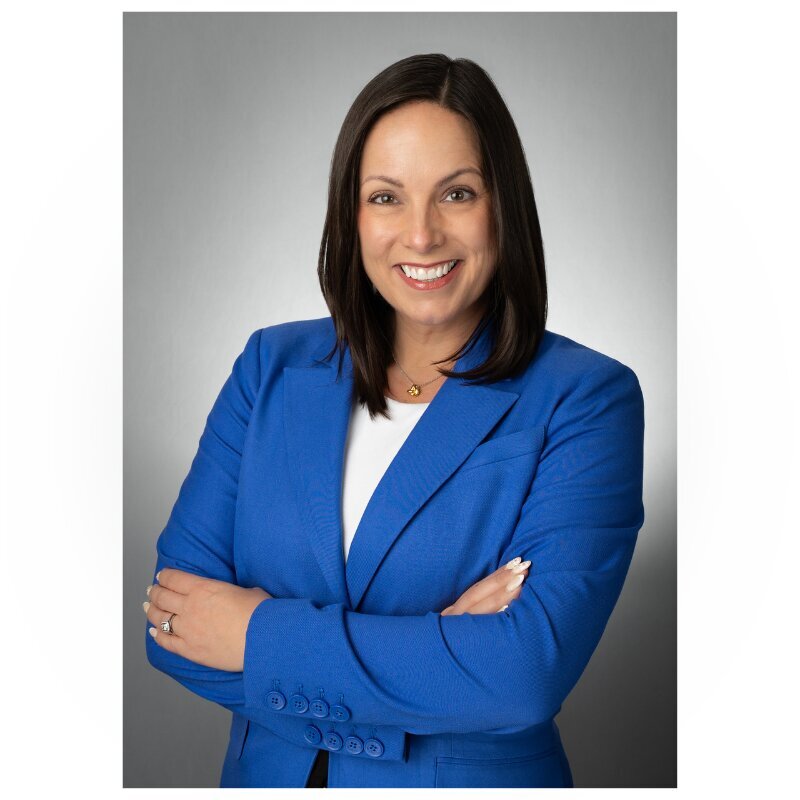
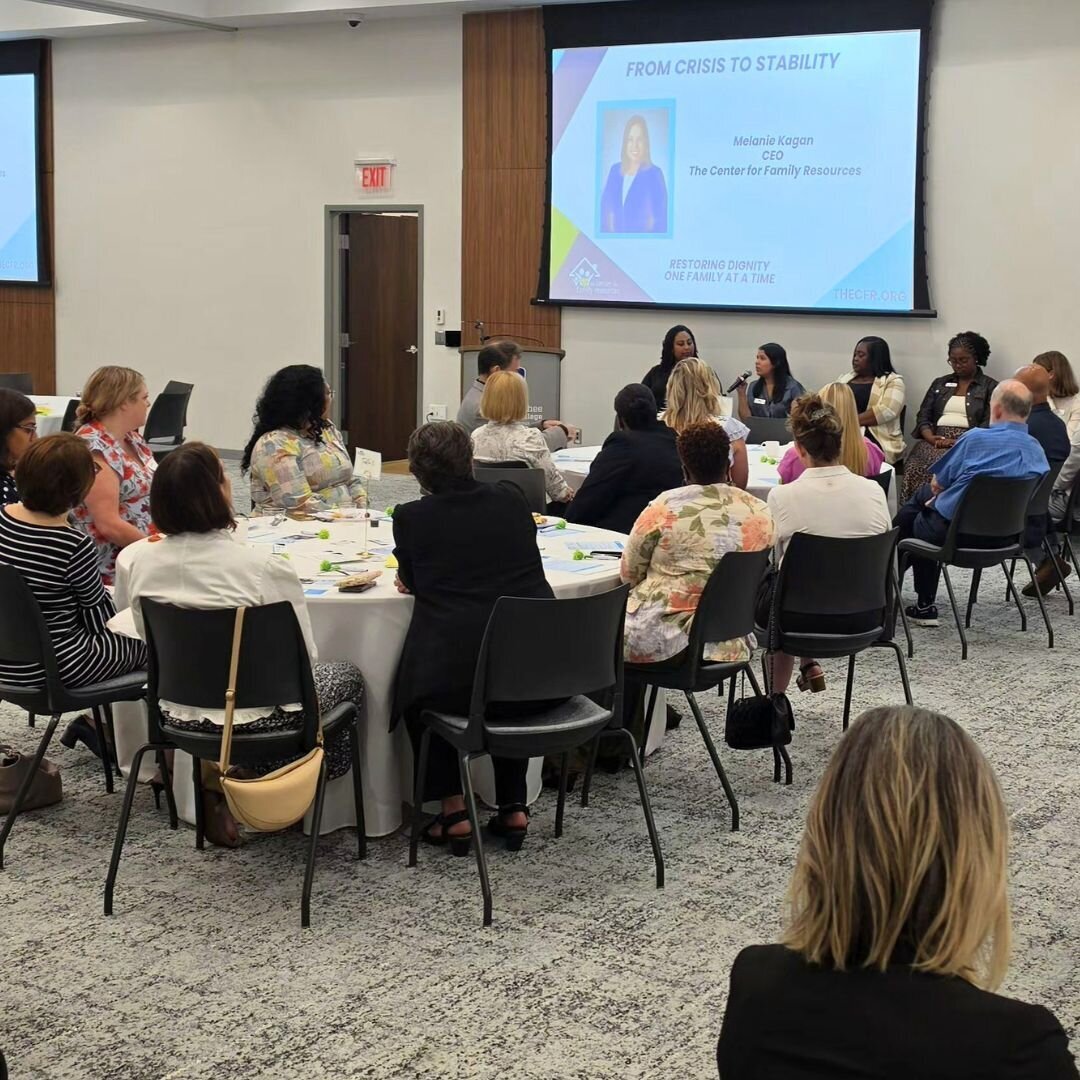
We can protect people without protecting every program forever. We can challenge policy without losing sight of the operational consequences of doing so, and we can disagree about the best approach to ending homelessness while still expecting every part of the system to demonstrate that what we are doing is actually working. Protect people. Evaluate programs. Preserve accountability. That is path worth pursuing. Melanie Kagan is the Chief Executive Officer of The Center for Family Resources (CFR) in Marietta, Georgia. The CFR serves as the Lead Agency and Collaborative Applicant for the Cobb Homeless Alliance, the HUD-designated Continuum of Care for Cobb County. Kagan also serves on the Alliance’s Governing Board. |